How to Build an Automated Smart Unmanned Warehouse
Process and explanation of Smart Warehouse Construction
3/17/20261 min read
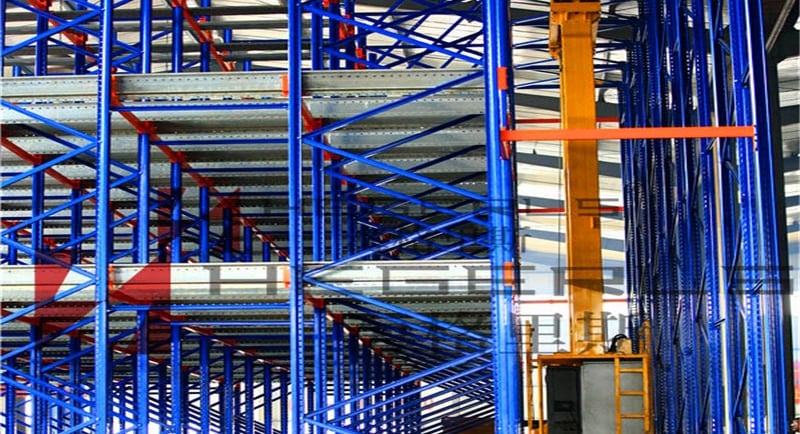
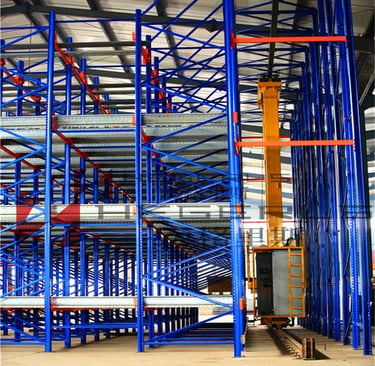
How to Build an Automated Smart Unmanned Warehouse
Building an automated unmanned warehouse requires systematic planning and step-by-step implementation, combining hardware configuration, software integration and process optimization. The key steps are as follows:
Needs Analysis & Planning: First, clarify the warehouse’s throughput, storage capacity, cargo types and business requirements (such as inbound/outbound frequency, sorting needs). Formulate a reasonable overall plan, including warehouse layout, space utilization design and functional division.
Hardware Selection & Deployment: Equip with core automation equipment, such as four-way pallet shuttles, AGVs (Automated Guided Vehicles), automated storage and retrieval systems (AS/RS), conveyor lines and intelligent sorting machines. Ensure all equipment is compatible and meets the designed operational efficiency.
Software System Integration: Integrate key software systems, mainly including WMS (Warehouse Management System), WCS (Warehouse Control System) and IoT monitoring systems. Realize data interconnection between software and hardware, and realize automatic scheduling, inventory management and operation monitoring.
System Debugging & Trial Operation: Conduct overall debugging of the integrated hardware and software systems to test the stability, accuracy and efficiency of equipment operation and data transmission. Carry out trial operation with actual goods to find and solve potential problems.
Personnel Training & Daily Maintenance: Train professional technicians to master the operation, debugging and maintenance of equipment and software. Establish a regular maintenance system to ensure long-term stable operation of the unmanned warehouse and timely handling of equipment failures.